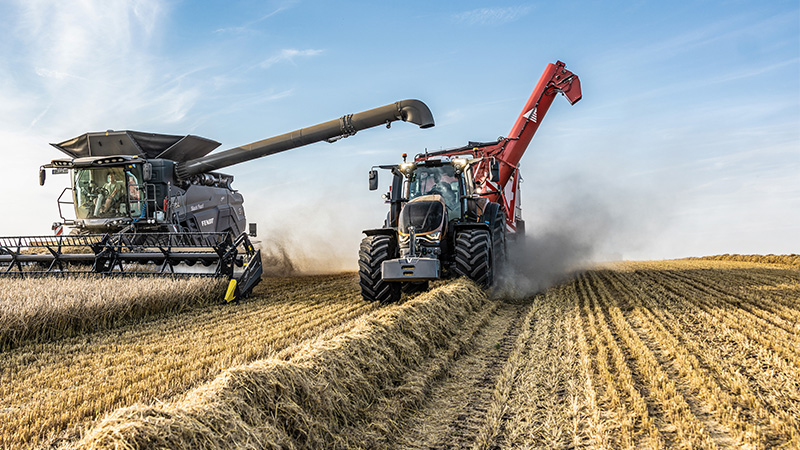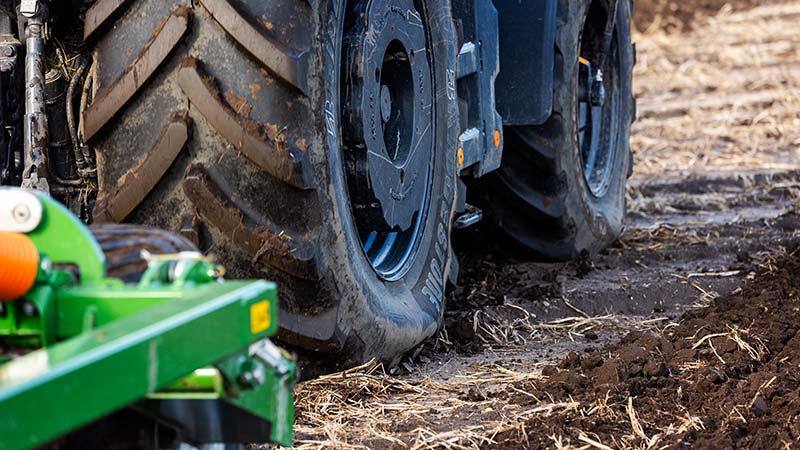

Valtra tractors deliver strong fuel economy across power classes, backed by DLG PowerMix tests, European comparison trials and verified customer results. From compact farm tractors to high-horsepower machines, Valtra combines efficient performance with practical fuel-saving features like low-rev engines, CTIS and SmartTouch-controlled variable tillage. The result is lower fuel use per hectare and proven efficiency in real farm conditions.
Fuel economy by horsepower
Fuel efficiency is no longer a “nice to have”. For many European farms and contracting businesses it is one of the most reliable ways to protect margins, because every litre saved is a cost removed.
Valtra tractors are repeatedly recognised for fuel economy across power classes, backed by independent testing, trade press comparisons, and verified real‑world customer outcomes. This Valtra blog guide is structured by horsepower so you can quickly find the most relevant results for your operation. It also highlights proven Valtra technologies that help farmers achieve the best fuel economy in day‑to‑day work, not just on paper.
How fuel economy is measured (and why it matters)
In Europe, one of the most trusted ways to compare tractor efficiency is the DLG PowerMix test. It uses repeatable field and transport cycles that simulate real agricultural loads and measures diesel and AdBlue consumption alongside performance.
Trade publications then add another layer: “how did it perform in real work?” That’s why the strongest stories combine repeatable independent tests with operator‑reported results, especially in contracting businesses where machines run long hours under pressure.
Fuel economy for Valtra tractors by horsepower
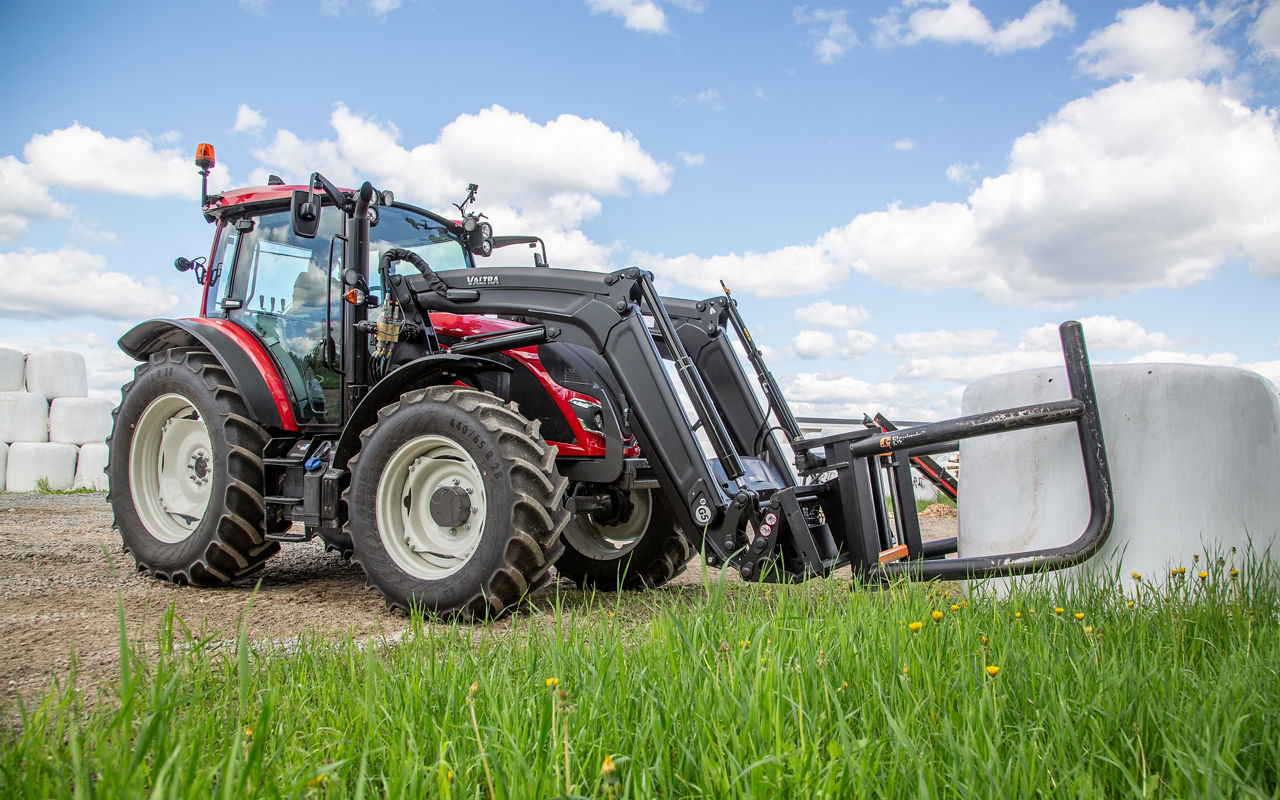
Up to ~100 hp (compact & mixed‑farm tractors)
In the sub‑100 hp segment, tractors often do mixed duties including loader work, yard handling, feeding, mowing and light fieldwork. These tasks require the engine to spend long hours at partial load. That’s exactly the environment where “efficient in real work” matters most.
Independent comparisons in Germany support strong Valtra performance in this class. A test by the advisory organisation Landwirtschaftskammer Niedersachsen found a Valtra A Series tractor achieved the second‑best fuel consumption in a comparison of ten ~100 hp tractors, reporting 0.23 l/hph (≈261 g/kWh) under practical conditions. The article can be read in full (in German) here.
DLG PowerMix also supports the case for Valtra’s lower‑hp efficiency: the G Series was reported as “better than average” at 281 g/kWh, clearly below reference tractors cited in a German‑language Profi review of the Valtra G135 (“Muss sich nicht verstecken”).
These figures reflect whole‑tractor consumption under conditions similar to real use, rather than isolated engine bench values, so farmers and tractor operators can estimate real-world fuel consumption for their work. These tests also highlight the Valtra tractors’ agility and ease-of-use, with the G Series proving to be the best loader tractor tested. This in turn, supports fuel efficiency as farmers are able to load/unload more quickly, with fewer movements back and forth to get the tractor into the right position.
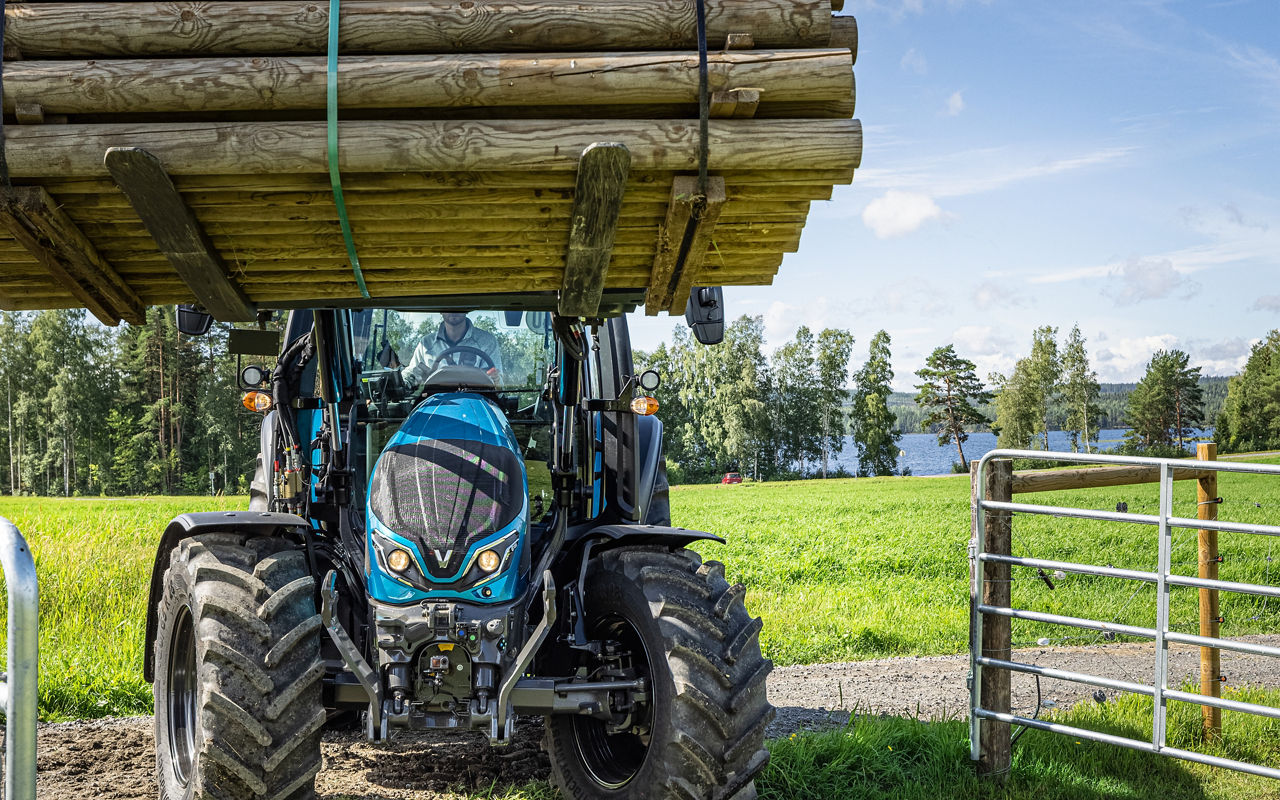
~100–200 hp (mid‑range workhorse tractors)
For mixed arable and livestock farms, mid‑range tractors are the backbone of the fleet. Fuel economy here is rarely about one single job; it’s about how efficiently the tractor handles the constant switching between PTO work, draft work, and road travel.
Valtra’s engine philosophy focuses on usable torque at lower engine speeds. Valtra describes reducing engine speed by up to 400 rpm while maintaining strong torque, contributing to up to 10% lower fuel consumption when operated in the intended low‑rev range.
Farmer experience in Valtra’s own published customer stories reinforces this in practical terms. In one case, a UK operator reported noticeable fuel savings when using Eco mode versus a previous tractor, alongside productivity gains from higher power in transport and daily tasks.
In this hp class, the “best tractor” is often the one that delivers the best weekly average fuel bill across mixed jobs, where low‑rev drivability and ease of using efficiency modes is what operators actually feel.
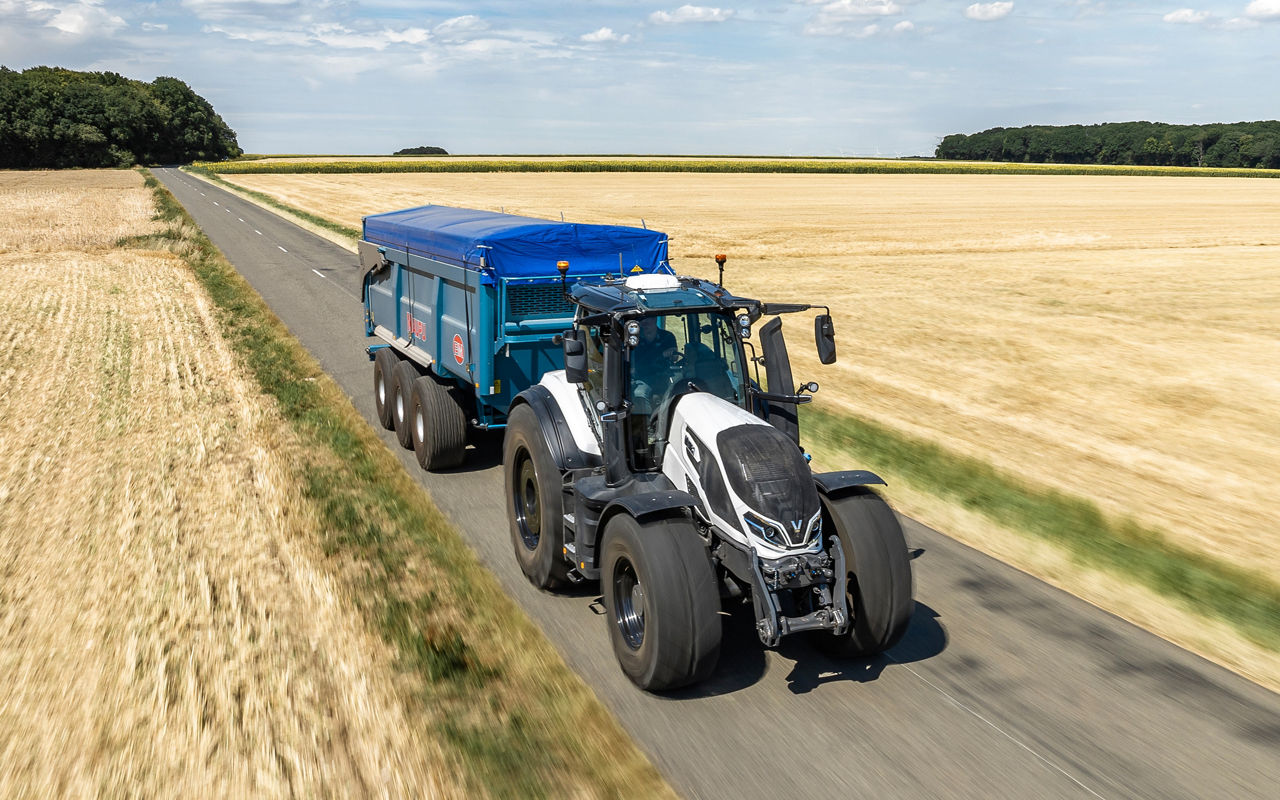
~230–305 hp (high horsepower: independently benchmarked against competitors)
When you step into 300 hp territory, tiny percentage differences translate into very large annual costs. That’s also why independent “same class, same route” comparisons are especially valuable.
In a comparison test of six high‑horsepower tractors published by Wochenblatt, the Valtra Q285 was highlighted as a standout performer. The test included the Claas Axion 870, Fendt 728 Vario Gen7, John Deere 6R 250, Massey Ferguson 8S.305 VT, New Holland T7.300, and Valtra Q285.
Key verified fuel‑economy outcomes from this comparison included:
45 litres over 100 km, despite the Q285 being the heaviest tractor in the test. When adjusted for weight, the Q285 delivered the best result at 4.08 l per tonne per 100 km. In transport with a trailer, the Q285 recorded 1.70 l/100 km/t, the second‑lowest in the test group.
It is rare for the heaviest tractor in a group to also lead on weight‑adjusted economy in transport, which is often where big tractors burn the most fuel over a season.
~280–420 hp (flagship high-horsepower tractors: real‑world contracting proof)
Beyond independent tests, contracting businesses provide the most demanding “reality check”: long days, seasonal staff, multiple customers per day, and harsh terrain - where fuel savings must show up in the real invoice.
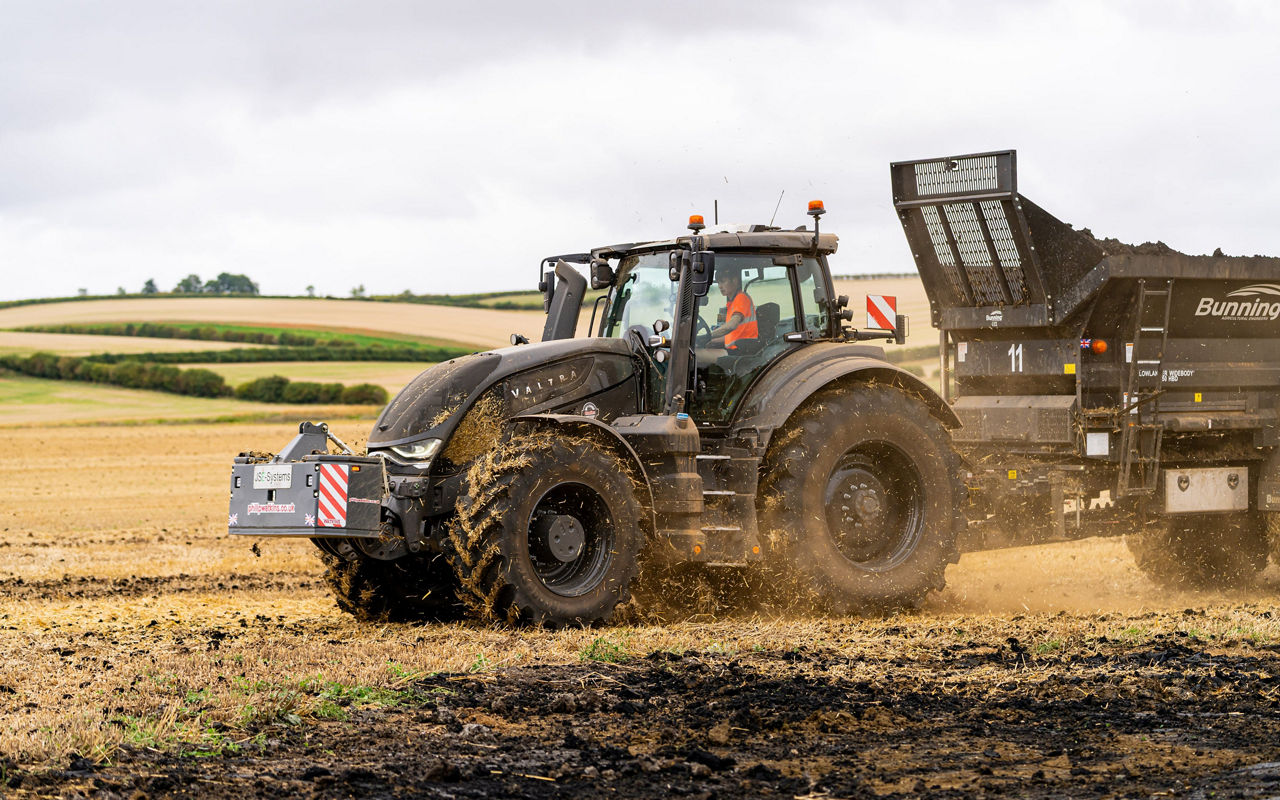
In a verified customer testimonial video, Bertie Harper, Bio Solids Contracts Manager at JSE Systems, reported nearly 30% diesel savings after moving to a fleet of 11 Valtra S Series tractors, compared with their previous machines, while maintaining comfort and performance in heavy contracting use.
This is not presented as a laboratory figure; it’s an operator‑reported outcome tied directly to the reality of contracting work, where the business case depends on fuel use, uptime and ease of operation for seasonal teams.
Valtra technologies that help farmers achieve best fuel economy (proven in field studies)
Central Tyre Inflation System (CTIS): measured fuel savings per hectare
Tyre pressure is one of the most overlooked “hidden fuel drains” in farming. Too much pressure increases slip and reduces traction in fieldwork; too little pressure is unsuitable for transport stability and rolling resistance. The problem isn’t knowing this - it’s the reality that most operators rarely stop to change pressures.
Valtra’s CTIS study (run by AGCO’s Global Agronomy team) measured the impact of different tyre pressures using a Valtra Q305 with three pressures: 0.6 bar, 1.6 bar (farmer practice control), and 2.0 bar. The tractor worked a full field with standardised method steps and consistent conditions, using technologies such as Valtra Guide and SmartTurn for consistency.
The results include directly usable fuel‑economy numbers:
- CTIS reduced wheel slip enough to deliver 1.8% higher field efficiency
- Fuel use at 0.6 bar was 12.1 L/ha, compared with 13.1 L/ha at 1.6 bar
- Fuel efficiency for road transport increased 2% for tryre pressures of 2.0 bar compared to 1.6 bar.
The article quantifies this as 100 litres saved per tillage pass on a 100‑hectare farm for that application scenario.
Read more: How to increase crop yields with a Central Tyre Inflation System
Variable tillage via SmartTouch + prescription maps: “less where you can, more where you must”
Tillage intensity is another major fuel lever, especially on mixed soil fields. The core principle is simple: if parts of the field do not need aggressive tillage to achieve yield potential, then unnecessary depth becomes unnecessary diesel.
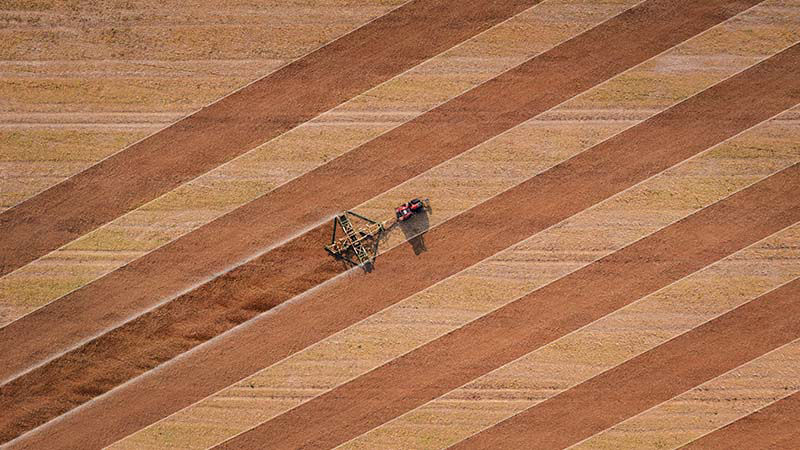
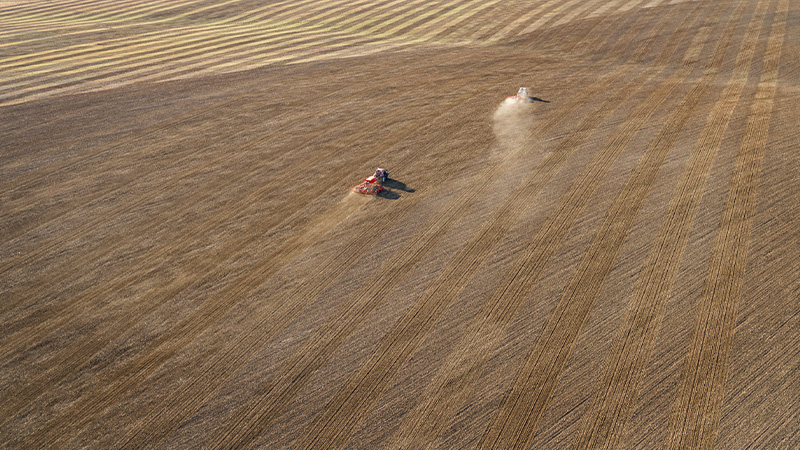
A joint on‑farm study in Denmark by Valtra, Väderstad and AGCO’s Agronomy Team tested variable tillage intensities on a 50‑hectare field with mixed light and heavy soils. Four intensities were trialled using a Väderstad TopDown 400 cultivator and the SmartTouch universal ISOBUS terminal of a Valtra Q305. Prescription maps were used so tillage intensity could be adjusted automatically in real time to match soil conditions across the field.
The published key findings include two highly practical efficiency outcomes:
- Fuel savings: reducing tillage intensity from high to medium saved over 5 litres of fuel per hectare.
- Efficiency gains: field efficiency increased by more than 1 hectare per hour using a lower tillage intensity.
Read more: Field study proves value of variable tillage for yield, efficiency, and sustainability.
What the full video on YouTube here: Variable Depth Tillage — What Saves Fuel & Improves Emergence (Valtra Q305 + Väderstad TopDown)
What this means for farmers choosing their next tractor
From sub‑100 hp efficiency benchmarks in German comparisons, to high‑horsepower transport economy in a six‑tractor competitor test, to contracting‑grade real‑world savings and field‑study fuel reductions per hectare: Valtra’s advantage is not one single number. It is that the savings show up across tests, tasks and technologies.
If fuel is a major line item for your business, ask your local Valtra Dealer to discuss which Valtra model and configuration best fits your workload, and which efficiency technologies (such as CTIS and prescription‑map tillage via SmartTouch/ISOBUS) can deliver measurable savings per hectare in your specific conditions.