
For 75 years, every major Valtra innovation has started with the same question: what problem is the farmer trying to solve?
From the first post-war tractors built to withstand Finnish winters to today's connected machines that manage data automatically, Valtra's history is a story of responding to real agricultural challenges. While technologies have changed dramatically, the mission has remained consistent: understand farmers' needs and make hard work easier.
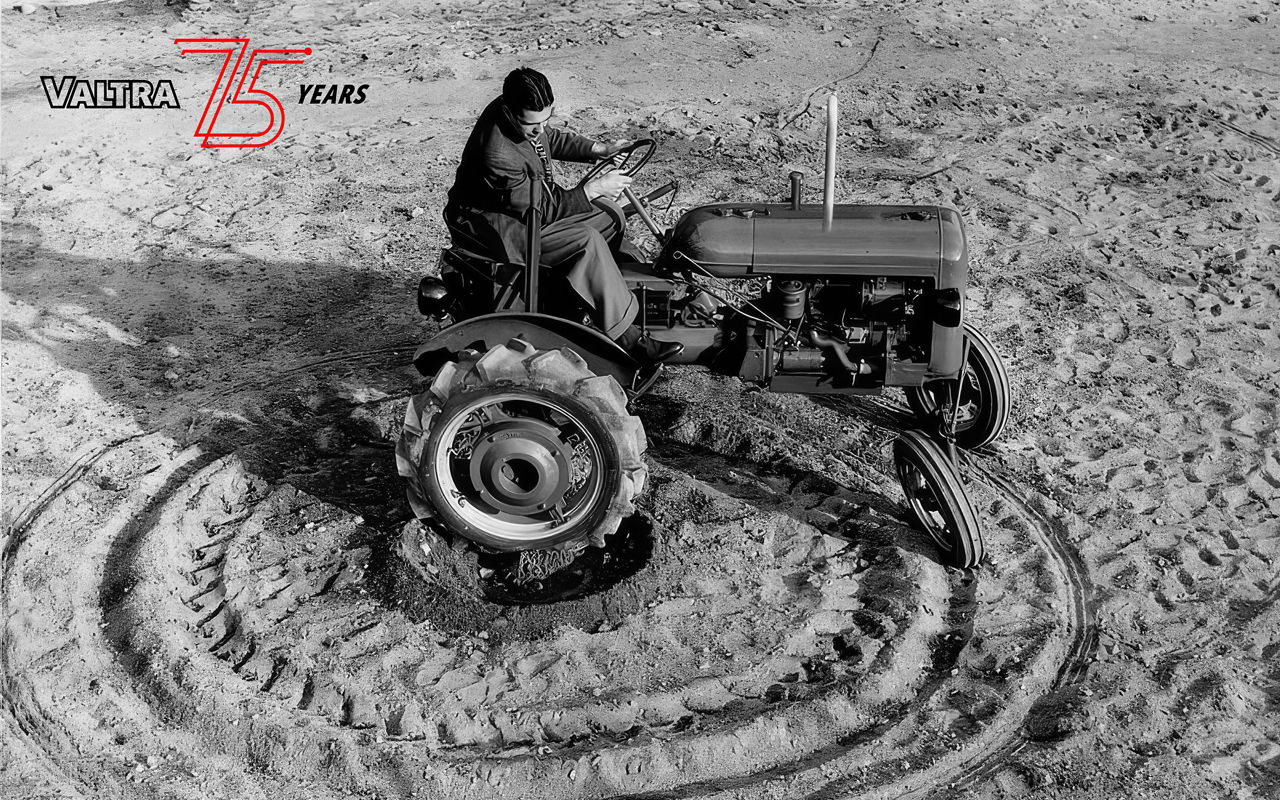
The Problem: Harsh Nordic Conditions (1950s)
In the 1950s, farming in Northern Europe was still heavily dependent on manual labour and horses. Farmers needed reliable mechanisation that could survive challenging Nordic conditions.
The answer came in 1951 with the introduction of the Valmet 15, Valmet's first tractor. With 15 horsepower, it was designed specifically to replace horses in both farming and forestry work. Unlike imported machines, it was developed with Finnish conditions in mind, where tractors had to cope with freezing winters, rough terrain and long working days.
As farmers demanded greater efficiency, diesel technology became increasingly important. In 1957 the Valmet 33D featuring the 3-cylinder direct injection 309D engine offered significantly improved fuel economy compared to petrol-powered alternatives. For farmers operating on tight margins, lower fuel consumption directly improved profitability.
The company's focus was already clear: robustness, practicality, and lower running costs. These attributes became the foundation of the Valtra brand and remain among the most important reasons customers choose Valtra today.
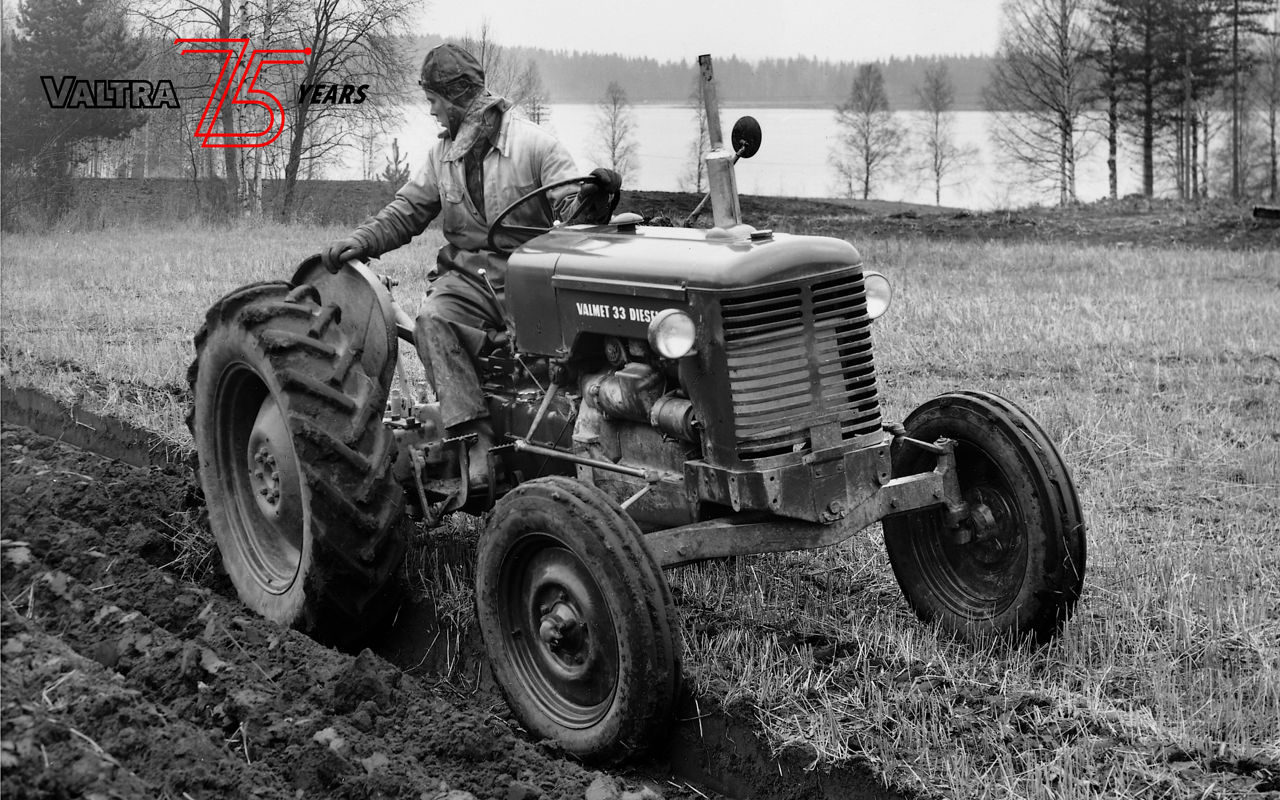
The Problem: Bigger Farms and More Productivity (1970s-1990s)
As European agriculture modernised, farms expanded and workloads increased. Farmers needed more power, greater efficiency, and safer machines that could work longer hours.
Valtra responded repeatedly with innovations that allowed farmers to do more work with fewer resources.
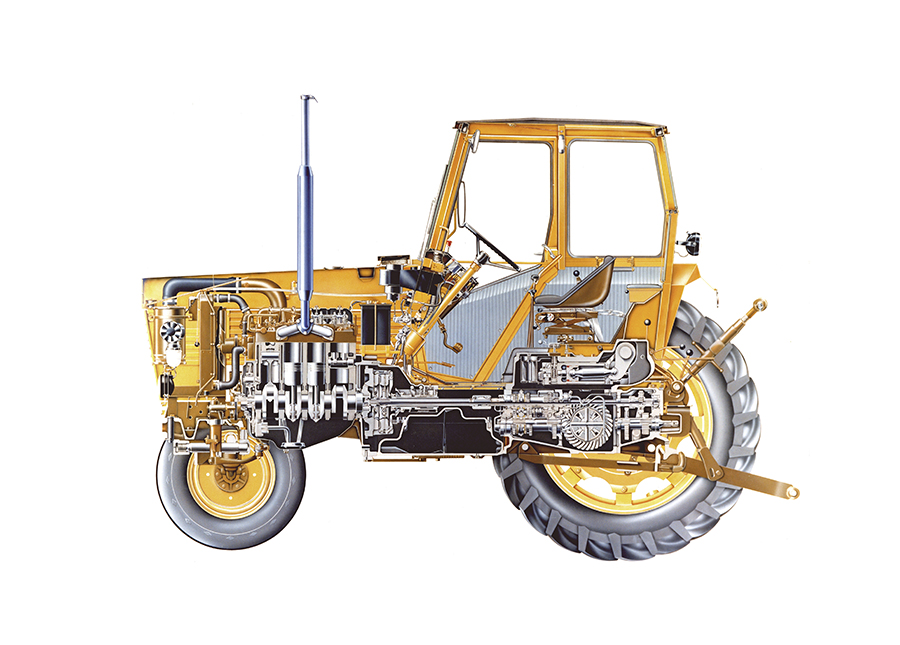
In 1967, the Valmet 900 became one of the first tractors to offer a factory-fitted safety cab as standard fitted with dampening rubber bushings that reduced vibration. However, the cab was not simply a comfort feature. It helped protect operators from weather, dust and noise while improving safety during increasingly long working days.
In 1969, Valmet introduced its first turbocharged model, the four-cylinder Valmet 1100. Turbocharging delivered higher power outputs (up to 115 hp for the Valmet 1100) without requiring much larger engines, allowing farmers to pull wider implements and complete fieldwork faster.
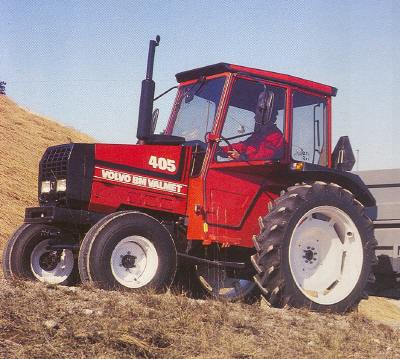
The trend continued in 1971 with the Valmet 502, which set a world record for quietness. At a time when operators often spent ten or more hours per day in the cab, reducing noise significantly improved working conditions and reduced fatigue. The model became hugely popular and helped establish Valtra's reputation for ergonomics and operator comfort.
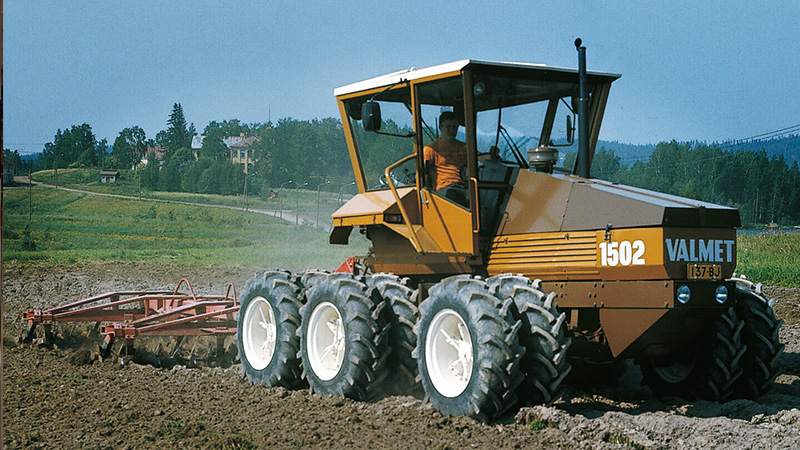
Productivity demands continued to grow. During the early 1970s Valmet became a pioneer in the use of turbo engines. In 1975 the Valmet 1502 introduced six-cylinder power for heavy-duty applications with up to 136 hp from its 6.6l engine. It allowed large-scale farmers and contractors to handle bigger implements and cover more hectares each day. Today, that six-cylinder legacy has continued into the Valtra T, Q, and S Series tractors.
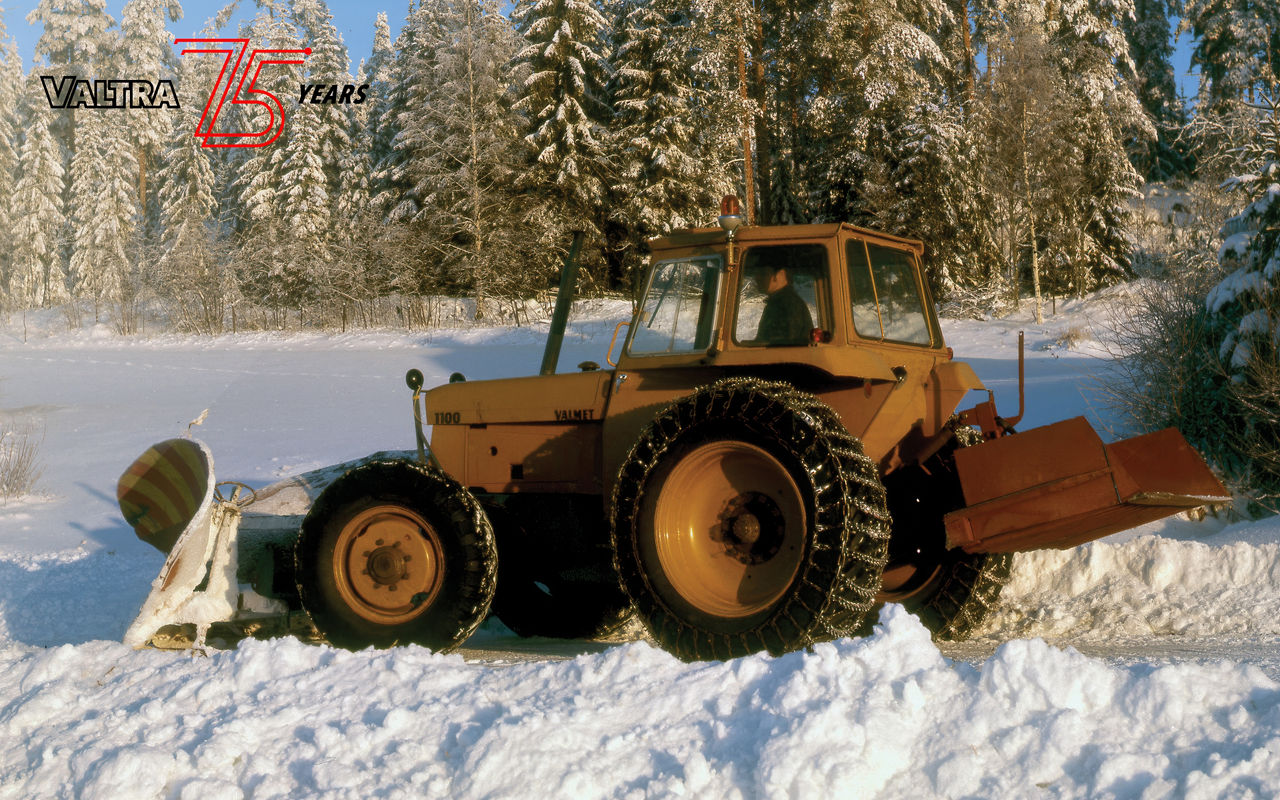
The Problem: Comfort and Efficiency (2000s)
By the early 2000s, horsepower was no longer enough. Farmers needed tractors that could reduce stress, improve comfort and make tasks easier to manage.
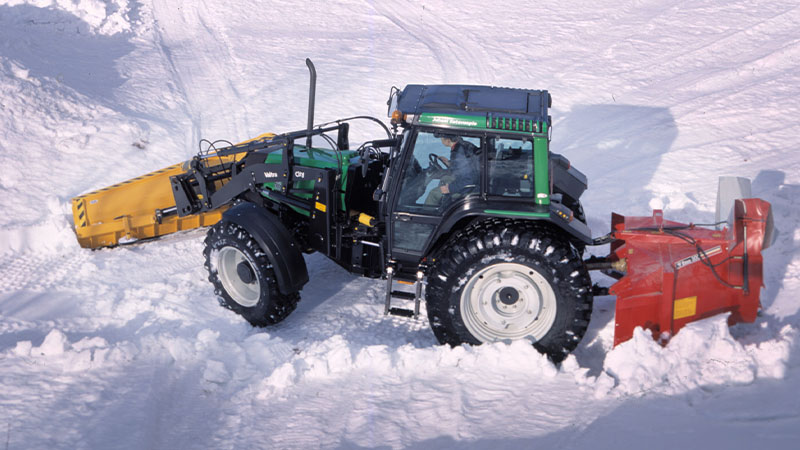
One of Valtra's most important answers was TwinTrac, which entered production in the mid-1980s and gained widespread adoption during the following decades. The reverse-drive system allowed operators to work facing the implement rather than constantly twisting their body. For forestry, mowing and municipal applications, this dramatically improved ergonomics and productivity. Thirty years later, TwinTrac remains one of Valtra's most distinctive innovations.
The next challenge was making increasingly advanced technology easier to use. While many manufacturers added more screens, menus and controls, Valtra focused on keeping operation simple.
In 2017, the company introduced the award-winning SmartTouch armrest, a completely redesigned operating environment built around simple swipe-and-tap controls. Farmers could access advanced functions without specialist training, and common tasks required only a few intuitive actions. SmartTouch quickly became recognised as one of the easiest tractor user interfaces in the industry.
Instead of forcing operators to adapt to technology, SmartTouch was designed so technology adapted to operators.
The Problem: Rising Input Costs and Profitability (Today)
Today's farmers face a different challenge. Skilled labour is harder to find, input costs continue to rise, and every operation must generate measurable value.
Valtra's smart farming technologies help farmers make every pass more efficient. Valtra Guide automates steering, reducing overlaps and improving accuracy. Section Control automatically switches implement sections on and off, reducing wasted seed, fertiliser and crop protection products. Together these technologies help operators maintain productivity regardless of experience level.
Meanwhile, Valtra Connect allows farmers to monitor machine performance, working hours, fuel consumption and location remotely. By collecting operational data automatically, it reduces administrative workload and helps identify opportunities to improve efficiency.
The challenge is no longer simply operating a tractor. It is managing an increasingly advanced farming business.
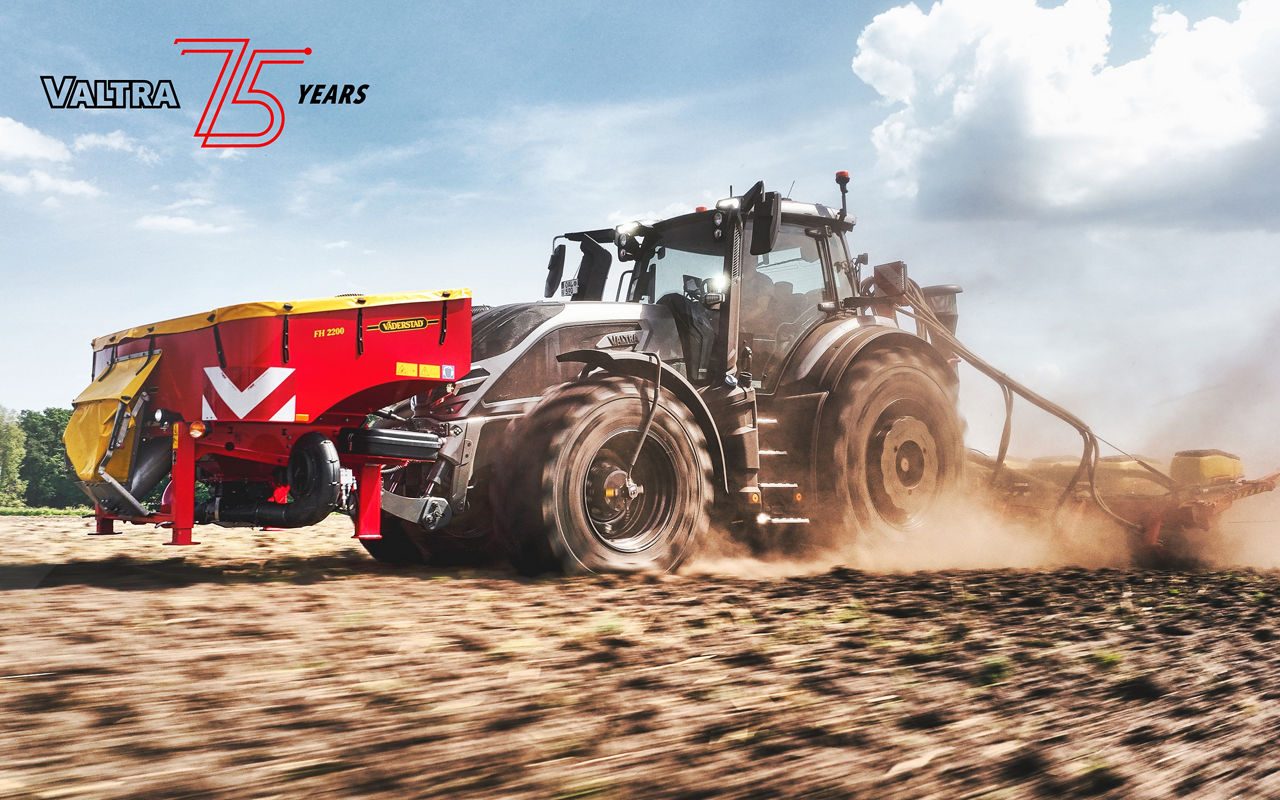
The Problem: Sustainability and Data Management (Tomorrow)
The next generation of farmers will face new pressures. They must produce more food with fewer inputs, lower emissions, demonstrate sustainability performance and manage growing amounts of operational data.
Valtra's response is already taking shape. Valtra’s efficient tractors and smart farming technologies are helping farmers reduce fuel consumption, minimise overlaps and optimise inputs.
At the same time, sustainability extends beyond the machine itself. Valtra's Suolahti factory has sent no waste to landfill since 2016 and has operated using electricity from renewable sources since 2022.
75 Years Later, the Mission Remains the Same
Looking back across 75 years of innovation reveals a clear pattern.
The Valmet 15 solved the challenge of improving efficiency in harsh Nordic conditions. The Valmet 900 improved safety. The Valmet 502 made long working days more comfortable. The Valmet 1100 and 1502 delivered more productivity. TwinTrac transformed how farmers worked. SmartTouch simplified advanced technology. Today's smart farming tools make businesses more efficient and profitable.
The technology has changed dramatically since 1951. The mission has not. For 75 years, Valtra has solved real farmer problems. And whatever challenges the next 75 years bring, that is where innovation will continue to begin.