
Drought is no longer an occasional challenge for European farmers. 37 of the EEA's member and cooperating countries experienced drought conditions in June 2026, with climate projections suggesting drought frequency, duration and intensity will increase across Europe. While farmers cannot control the weather, they can influence how effectively their soils capture, store and utilise available rainfall.
Fortunately, many of the practices that improve drought resilience also improve soil health, efficiency and long-term profitability. Here are seven practical steps farmers can take today to prepare for the next drought.
Build a Better Water Reservoir Beneath Your Feet
1. Increase Soil Organic Matter
When drought arrives, your soil becomes the farm's most important water storage system.
Soil organic matter acts like a sponge, helping soils retain moisture while improving infiltration and root development. The European Commission identifies declining soil organic matter as one of the biggest threats to agricultural soils across Europe because it reduces both soil fertility and the soil's ability to withstand drought. According to the European Commission, 60-70% of European soils are currently considered unhealthy, highlighting the scale of the challenge facing agriculture.
Building organic matter through cover crops, manure applications, composts and residue retention helps create a soil profile that can capture and hold more water for longer periods.
The benefits extend beyond drought resilience. Soils with higher organic matter levels generally support better biological activity, improved nutrient cycling and stronger crop establishment during challenging seasons.
2. Keep the Soil Covered
Every millimetre of moisture retained in the soil can make a difference during a dry summer.
Research published by the Food and Agriculture Organization (FAO) has shown that soil evaporation can be up to five times lower when the soil surface is protected by mulch or crop residues compared with bare soil. Cover crops and retained residues reduce direct sunlight reaching the soil, moderate soil temperatures and slow moisture loss through evaporation.
Keeping living roots in the ground and maintaining soil cover are key principles of regenerative agriculture. They help improve water infiltration during rainfall events and reduce moisture losses during drought conditions.
When heavy rainfall does arrive, covered soils are also less vulnerable to erosion, helping farmers capture valuable moisture instead of watching it leave the field.
3. Eliminate Soil Compaction Before It Costs You Yield
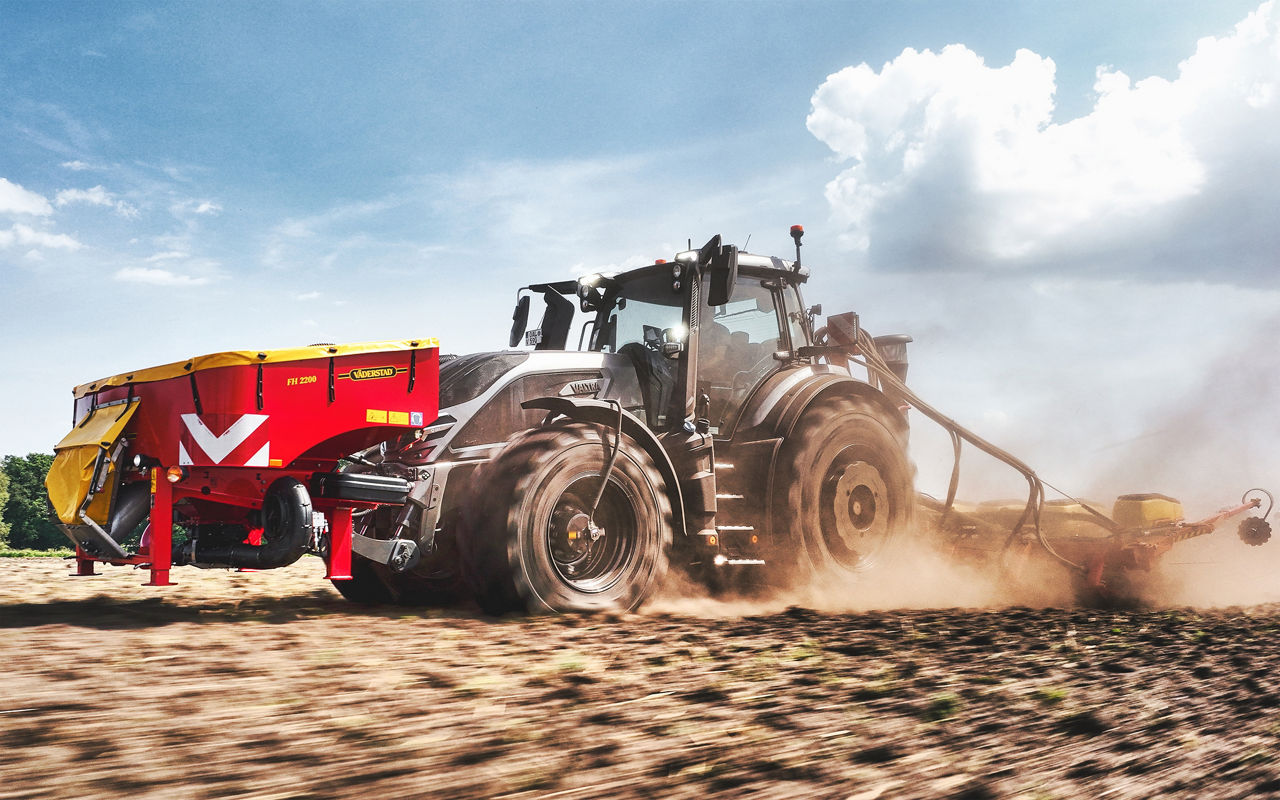
Soil compaction is recognised by the European Commission as one of the major threats to soil health in Europe because it reduces pore space, restricts root growth and limits the movement of both air and water through the soil profile. Crops growing in compacted areas may struggle to access deeper water reserves precisely when they need them most.
Valtra and AGCO agronomy studies have shown that reducing tyre pressures with Valtra’s CTIS (Central Tyre Inflation) system can lower soil compaction depth by 17% while improving field efficiency by 1.8%. According to AGCO Agronomist Jens Christian Jensen, yield potential may be reduced by 3-5% annually as a result of soil compaction, while even a 1% yield improvement resulting from reduced compaction can be worth approximately €21 per hectare.
Meanwhile, Valtra Guide allows operators to repeatedly follow the same guidance lines with high accuracy. This creates more consistent traffic patterns, reducing the area of the field exposed to repeated wheelings.
Make Every Pass Count
4. Reduce Traffic with Smarter Field Operations
Every pass across a field consumes fuel, costs time and increases the risk of soil damage.
Modern farming increasingly focuses on minimising field traffic without compromising agronomic performance. Reducing traffic preserves soil structure, maintains pore spaces for water movement and creates better conditions for root development.
Valtra Section Control with Multiboom enables farmers to manage up to three implements simultaneously during a single pass. Instead of making separate operations across the field, multiple products can be applied during one journey.
The result is fewer passes, lower fuel consumption, reduced labour requirements and less soil disturbance. This helps maintain soil structure while allowing farmers to complete field operations within increasingly narrow weather windows.
5. Improve Nutrient Management
Healthy crops are generally better equipped to cope with difficult growing conditions.
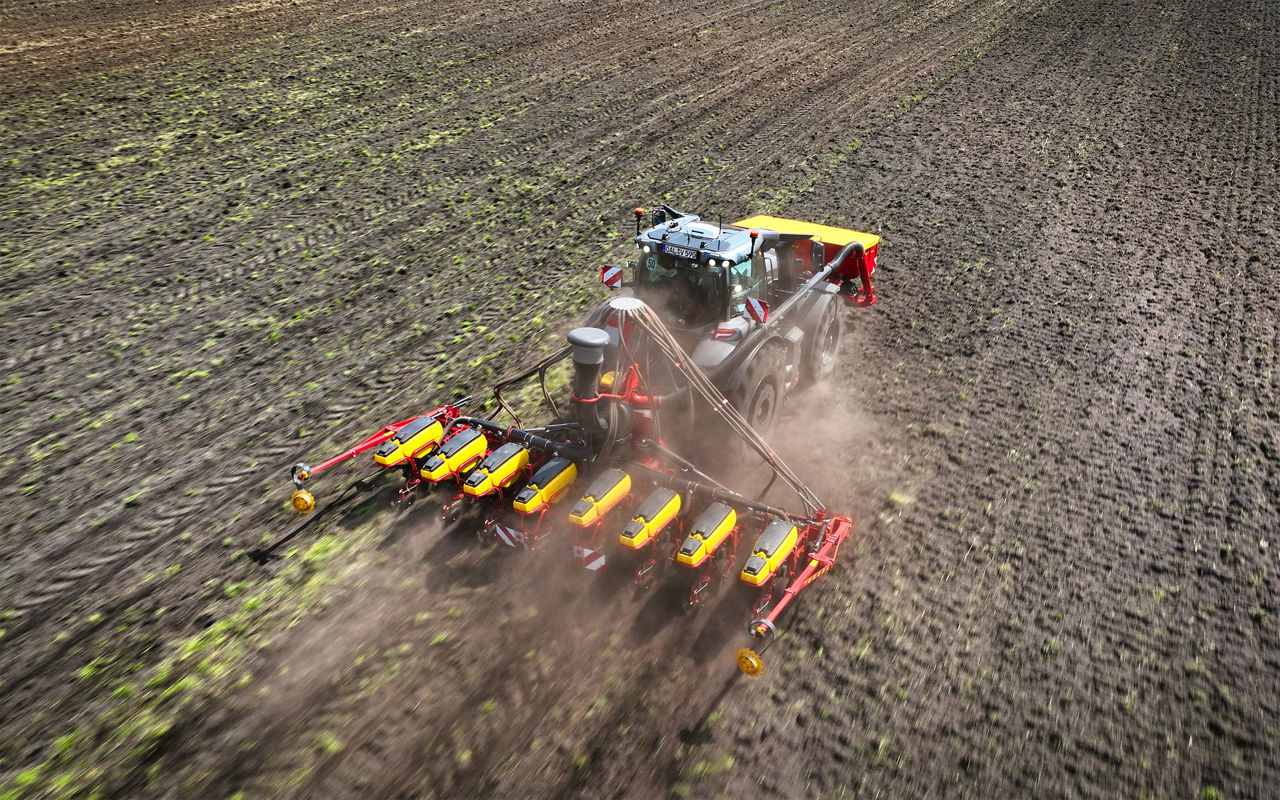
During drought, nutrient availability can become more limited, making efficient application increasingly important. Precision nutrient management ensures crops have access to the resources required for healthy root development and efficient water uptake.
Applying fertiliser uniformly across highly variable fields often leads to inefficiencies. Some areas may receive more nutrient than required while weaker areas receive too little.
Targeting inputs more accurately can help crops utilise available water more effectively while reducing unnecessary expenditure.
Valtra's precision farming tools, including Variable Rate Control, allow inputs to be tailored according to field conditions and prescription maps.
Valtra customer and precision farming contractor Christel Thijssen reports that combining soil sampling, prescription mapping, drone monitoring and variable rate technologies can reduce fertiliser and crop protection inputs by as much as 70-90% in some situations while improving targeting and efficiency.
6. Diversify Rotations and Rooting Systems
No single crop can solve drought resilience alone.
More diverse crop rotations can improve soil structure, increase biological activity and create more extensive rooting channels throughout the soil profile. Different crops utilise and improve the soil in different ways.
Deep-rooting species can help create pathways that allow subsequent crops to access moisture deeper within the soil profile. Diverse rotations may also reduce pressure from pests and diseases while supporting broader farm resilience.
Many regenerative agriculture systems increasingly focus on crop diversity because it strengthens the overall farming system rather than relying on a single solution.
7. Use Data to Respond Earlier
One of the biggest challenges during drought is recognising problems early enough to respond.
By the time visible crop stress appears, yield potential may already have been lost. Precision agriculture allows farmers to monitor field variability, identify emerging issues and make better-informed management decisions.
Satellite imagery, soil maps and variable-rate applications can help target investments where they deliver the greatest impact while avoiding unnecessary expenditure in lower-performing areas.
Valtra's smart farming technologies integrate guidance, task management, application control and data collection within a single platform.
In addition to reducing overlap, these systems help improve operational efficiency. Valtra reports that smart farming solutions can reduce overlap by up to 5%, helping farmers save inputs, fuel and time while improving consistency across the field.
Drought Resilience for Farmers Starts Long Before the Drought
Drought contributed to a 10% decline in EU cereal production during both 2022 and 2023, demonstrating the growing impact of water scarcity on European agriculture. In 2026, this is likely to be much higher.
There is no silver bullet for drought. However, farms that focus on improving soil health, reducing compaction, maintaining soil cover and applying precision technologies consistently put themselves in a stronger position when dry conditions arrive.
Climate change may be increasing the frequency and severity of drought, but it is also highlighting the value of healthier soils and smarter farming systems.
The farms best prepared for tomorrow's drought are the farms investing in resilience today. Speak to your local Valtra Dealer about what you can do now to ensure you’re best prepared for potential future droughts.